Background
The Global Diet and Activity Research (GDAR) Network is an international collaborative research initiative that investigates how physical, policy, and social environments shape dietary and physical activity behaviours, with the overarching goal of reducing the growing burden of non-communicable diseases (NCDs) in low- and middle-income countries (LMICs). NCDs, such as cardiovascular diseases, diabetes, and some cancers, are now among the leading causes of morbidity and mortality globally. These diseases are often driven by modifiable risk factors like unhealthy diets and physical inactivity, which are influenced by broader systemic, environmental, and urban conditions.
Recognising that health outcomes are deeply embedded within these broader structural determinants, the first phase of the GDAR Network focused on exploring how policy, community and commercial systems shape diet and physical activity environments and behaviours in cities across LMICs. Through this, it sought to generate actionable evidence for sustainable NCD prevention related to food and physical activity, in the broader context of urban development, urbanisation, and health emergencies such as COVID-19. Its research is designed to inform decision-making processes that shape more equitable and health-promoting environments, especially in rapidly urbanising regions.
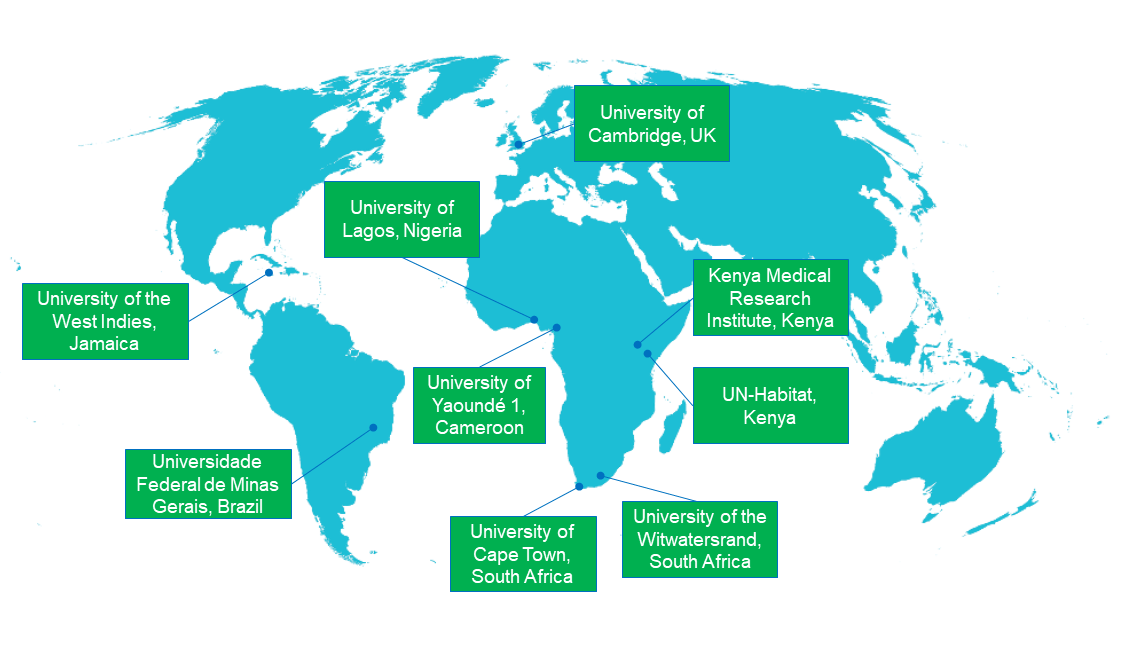
Funded by the UK’s National Institute for Health and Care Research (NIHR) through its Global Health Research initiative, the GDAR Network was launched in 2017 and has since expanded to a second phase which includes ten partner organisations across several countries and three continents. These partners bring a rich mix of disciplinary perspectives, ranging from public health and epidemiology to urban studies and policy analysis. Furthermore, they are united by a shared commitment to collaborative, context-specific research.
The GDAR Network is coordinated by the MRC Epidemiological Unit at the University of Cambridge and includes key partners in South Africa, Kenya, Cameroon, Jamaica, and the UK. The University of Cape Town (UCT) plays a role in this consortium, with contributions from the African Centre for Cities through urban health collaborations with UCT’s School of Public Health and Family Medicine from 2017-2021.
Research contributions and achievements
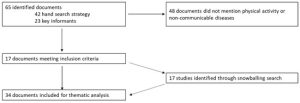
As a contributor to the GDAR Network during the first grant phase between 2017-2021, Amy Weimann has been involved in a range of interdisciplinary research efforts focused on advancing evidence on the uptake of global policies for the reduction of NCDs in various LMICs countries. As part of a multi-country team, Amy Weimann played a key role in developing a robust policy document analysis methodology that has since been used across multiple international studies. Specifically, this methodology has been used across GDAR studies to i) examine how diet and physical activity considerations are incorporated into policies across different governance levels in Africa and the Caribbean, and ii) to conduct a global policy review on intersectoral action to address NCDs through the food environment, with a particular focus on its implications for African contexts. In addition, the methodology was foundational for the analyses of sectoral policies on physical activity in Cameroon, policy framing on young people’s active travel in national urban plans in Asia, and for research examining sugar reduction policy processes in South Africa and how they intersect with broader goals for NCD prevention.
Collectively, these research contributions reflect the strong commitment to supporting evidence-informed policy change and intersectoral collaboration to promote healthier urban environments.
Selected GDAR publications
Key relevant journal articles
- Shung-King, M., Weimann, A., McCreedy, N., Tatah, L., Mapa-Tassou, C., Muzenda, T., Govia, I., Were, V., & Oni, T. 2021. Protocol for a multi-level policy analysis of non-communicable disease determinants of diet and physical activity: implications for low- and middle-income countries in Africa and the Caribbean. International Journal of Environmental Research and Public Health, 18(24):13061.
- Weimann, A., Shung-King, M., McCreedy, N., Tatah, L., Mapa-Tassou, C., Muzenda, T., Govia, I., Were, V., & Oni, T. 2021. Intersectoral action for addressing NCDs through the food environment: an analysis of NCD framing in global policies and its relevance for the African context. International Journal of Environmental Research and Public Health, 18(21):11246.
- McCreedy, N., Shung-King, M., Weimann, A., Tatah, L., Mapa-Tassou, C., Muzenda, T., Govia, I.,Were, V. & Oni, T. 2022. Reducing sugar intake in South Africa: learnings from a multilevel policy analysis on diet and noncommunicable disease prevention. International Journal of Environmental Research and Public Health, 19(18):11828.
- Muzenda, T., Shung-King, M., Lambert, E.V., Brugulat Panés, A., Weimann, A., McCreedy, N., Tatah, L., Mapa-Tassou, C., Govia, I., Were, V. & Oni, T. 2022. Three growth spurts in global physical activity policies between 2000 and 2019: a policy document analysis. International Journal of Environmental Research and Public Health, 19(7):3819.
- Maulida, R., Smith, A.D., Weimann, A., Oni, T. and van Sluijs, E.M. 2024. Consideration of young people’s active travel in national urban policy documents in Asia: a documentary analysis. Journal of Physical Activity and Health, 21(12): 1-12.
- Tatah, L., Mapa-Tassou, C., Shung-King, M., Oni, T., Woodcock, J., Weimann, A., McCreedy, N., Muzenda, T., Govia, I., Mbanya, J.C., & Assah, F. 2021. Analysis of Cameroon’s sectoral policies on physical activity for noncommunicable disease prevention. International Journal of Environmental Research and Public Health, 18(23):12713.