

The 2026 Masters in Southern Urbanism cohort had their research design retreat from 27th – 29th August 2026 in the picturesque Noordhoek, located approximately 35km south of Cape Town’s city centre. The retreat is an annual feature of the programme which allows students an opportunity to focus solely on the first steps of the research project they will undertake in their second year. This reflection from David Arries gives readers a peak into the process of conceptualising a Master’s thesis – the ACC way.
There is something particular about the beginning of a new semester. The familiar rhythms of coursework have not quite settled in, new ideas are beginning to take shape, and there is a mixture of anticipation and uncertainty about what lies ahead. Upon arriving in Noordhoek there was a shared sense of excitement. It was the beginning of a new semester and for many of us the retreat offered a welcome opportunity to reconnect, settle into the new term and think about what we wanted the months ahead to look like.
The writing retreat brought students together to work through emerging thesis ideas, research questions, concepts, literature and the many uncertainties that accompany the early stages of developing a research project. Across these three days, a combination of workshops, exercises, peer exchanges and conversations helped students move from broad interests towards more grounded and considered research ideas and despite the Noordhoek wind and cold, everyone persevered.
Day One: Let Us Begin With A Question?
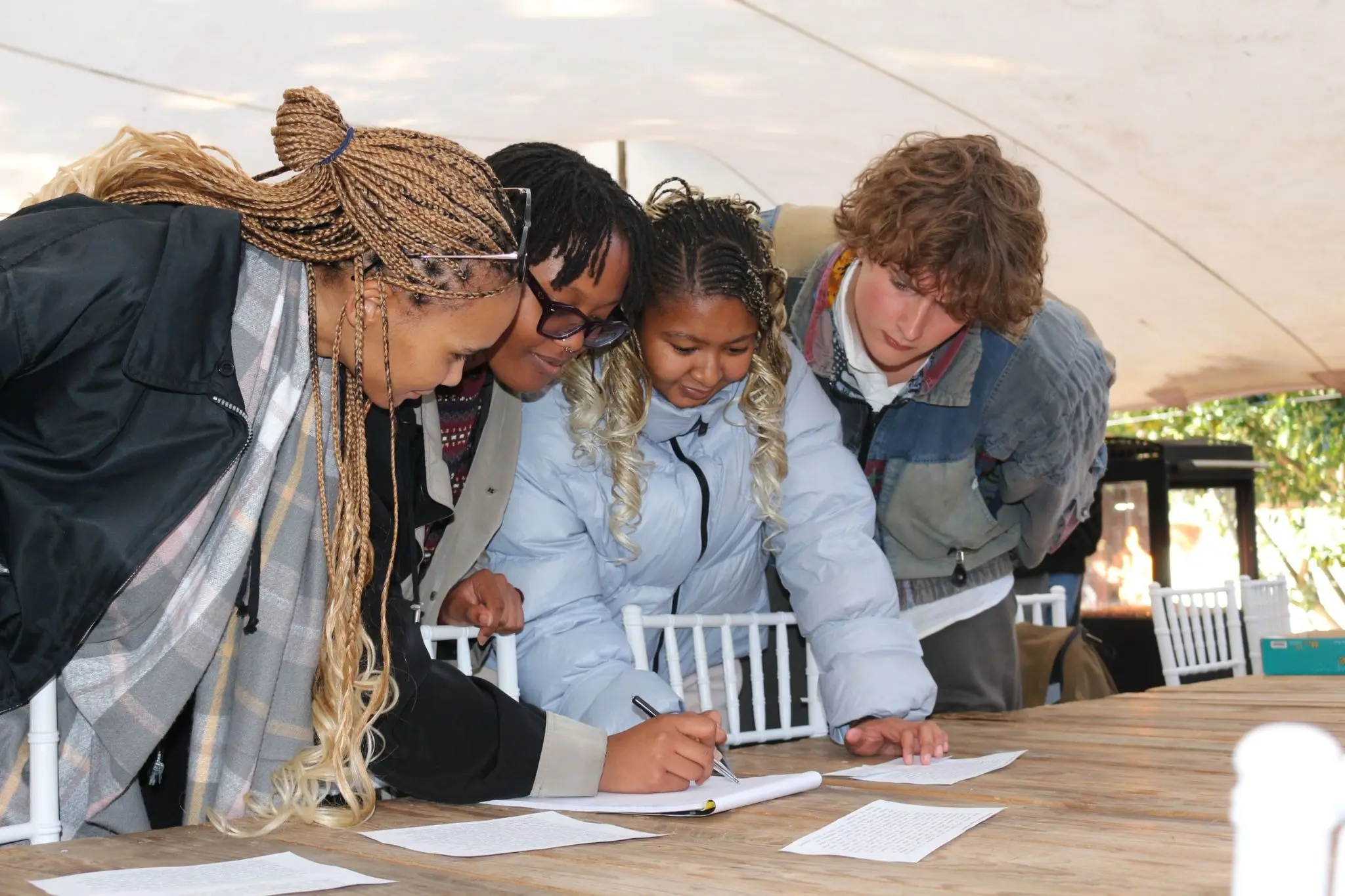
The introduction session was facilitated by Dr. Anna Selmeczi, MPhil programme convenor and senior lecturer, where we explored our expectations and fears around writing a Master’s thesis. We began with introductions and a peer exchange about what we were looking forward to, what we felt uncertain about, and what worried us. Hearing these concerns from one another was unexpectedly reassuring. It reminded us that, despite our different research interests, we were all navigating many of the same questions and uncertainties. With coffee, tea and biscuits keeping us going, the retreat moved into a session with Professor Nancy focused on brainstorming research questions.
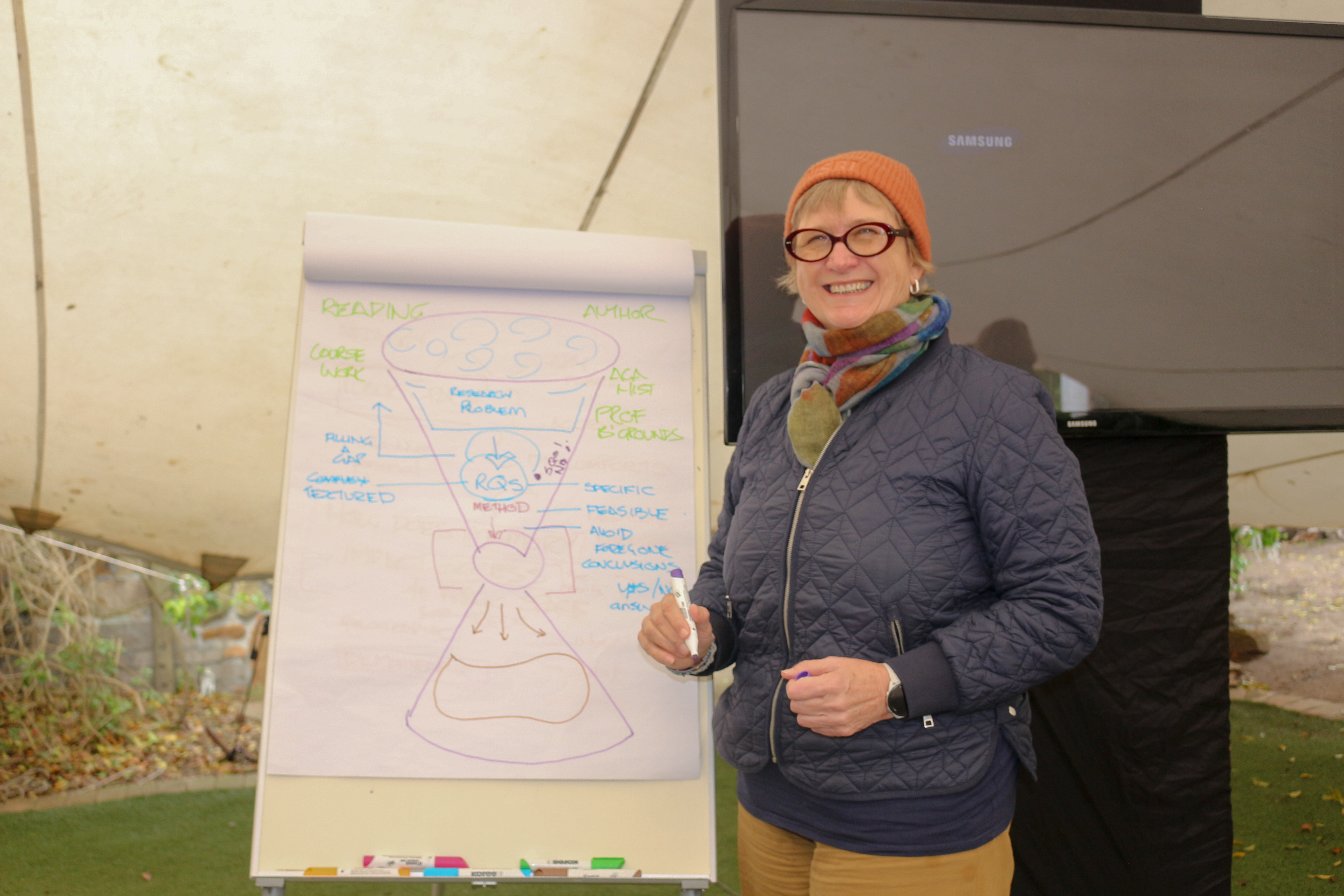
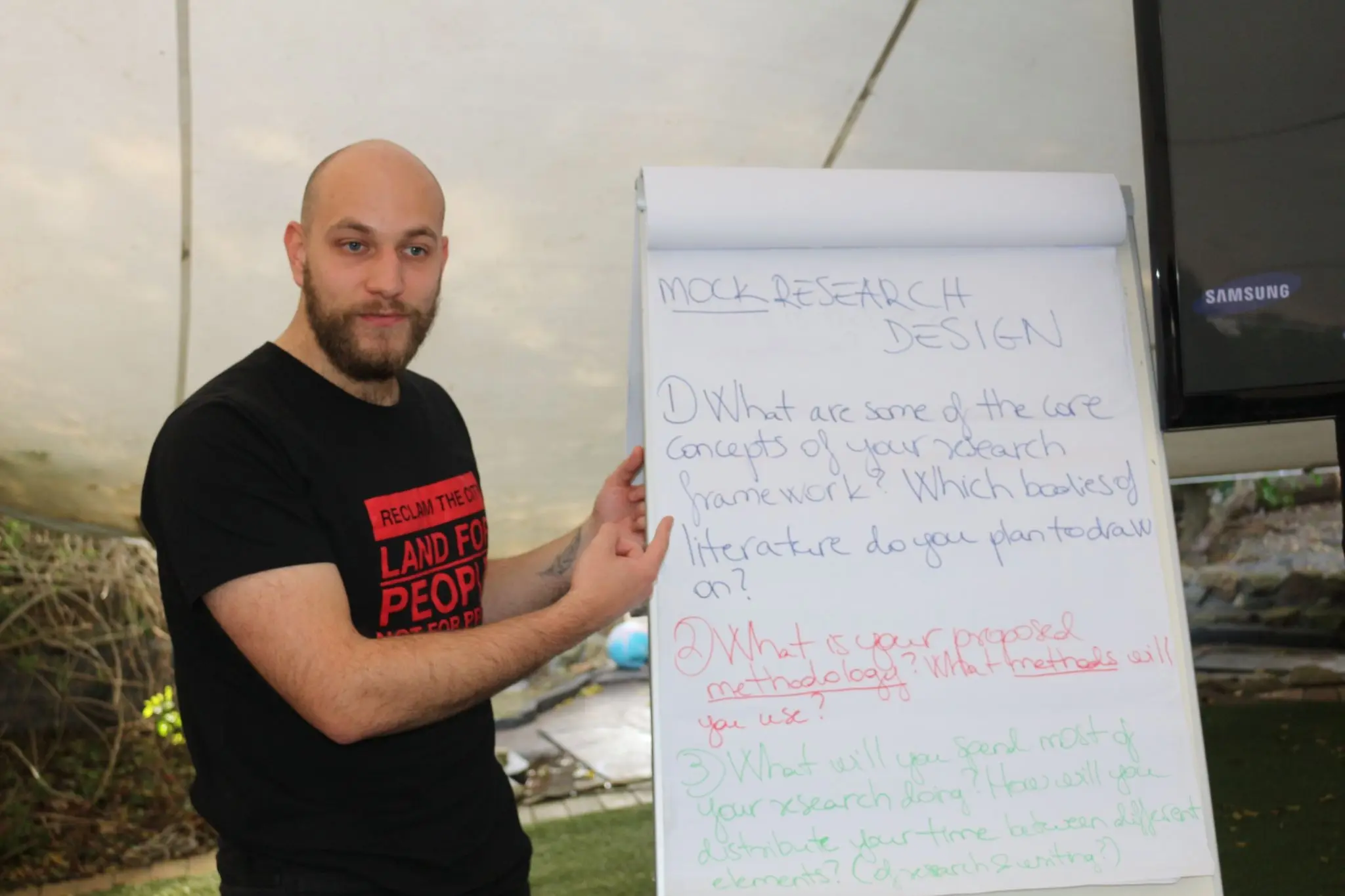
Rather than simply discussing what makes a good research question, we were given the opportunity to work through the process ourselves. In small groups, we selected a topic and turned it into a mock research project, breaking a broad interest down into a main research question and a set of sub-questions. We then identified the key concepts within the project and considered which bodies of literature might help us think through them.
We repeated the exercise several times, each time approaching a topic from a slightly different angle. The process was a useful reminder that research questions rarely arrive fully formed. They need to be tested, pulled apart, reconsidered and rebuilt. The exercise also encouraged a different way of thinking about our own research. Rather than becoming immediately attached to a particular idea, we were encouraged to ask what was actually interesting about it, what questions it raised and how those questions could be situated within wider bodies of knowledge.
The day continued with a broader thinking and brainstorming session, followed by a research project design exercise with the Urban Everyday Lecturer, Dr Laura Nkula-Wenz. Working through these activities collectively opened up new possibilities for how our ideas could be approached, developed and connected. We also spent time reflecting on our urban inspirations, the places, experiences, questions and encounters that shape the ways we think about cities. By the end of the first day, our research ideas had already begun to feel less abstract.
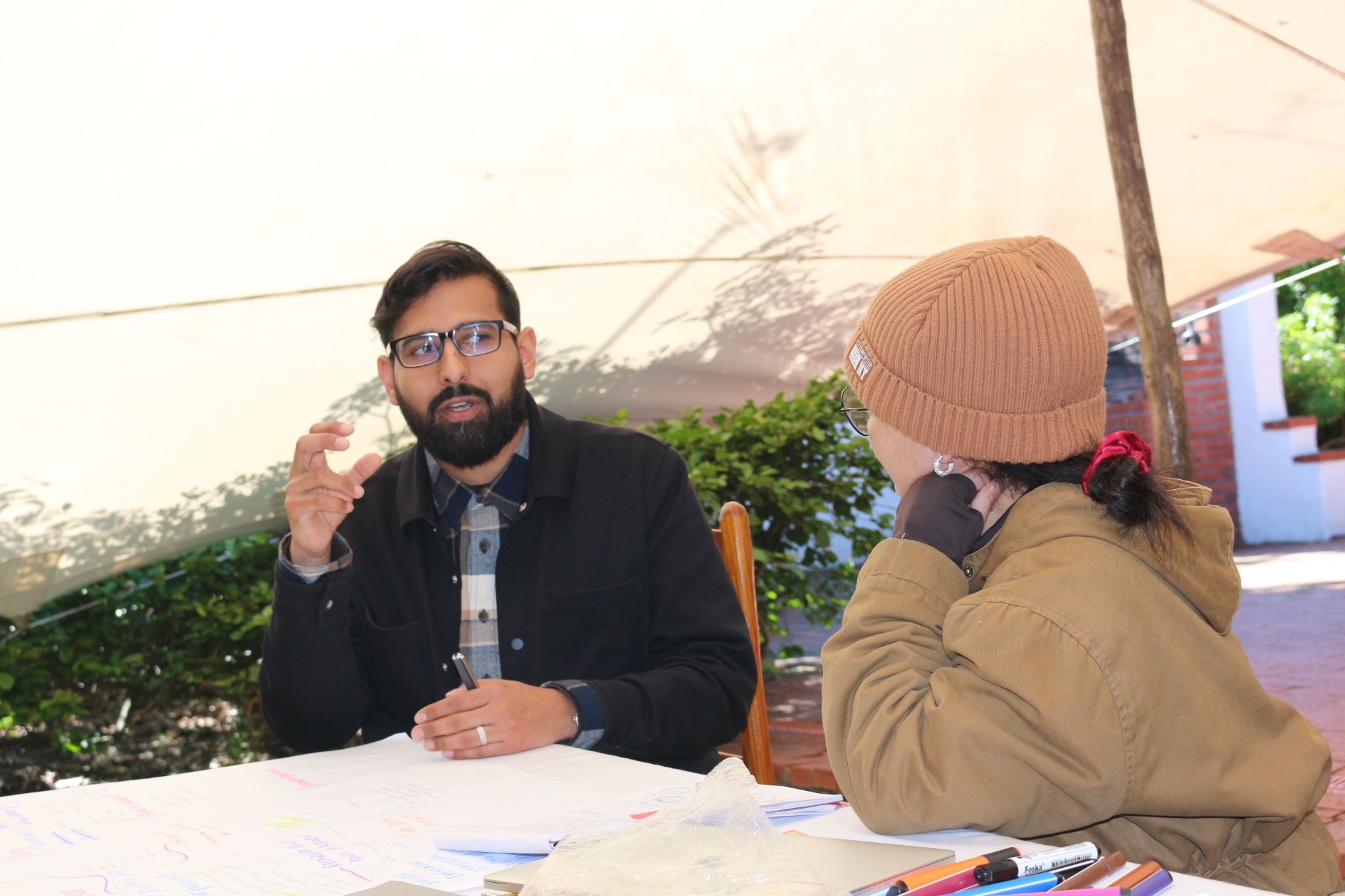
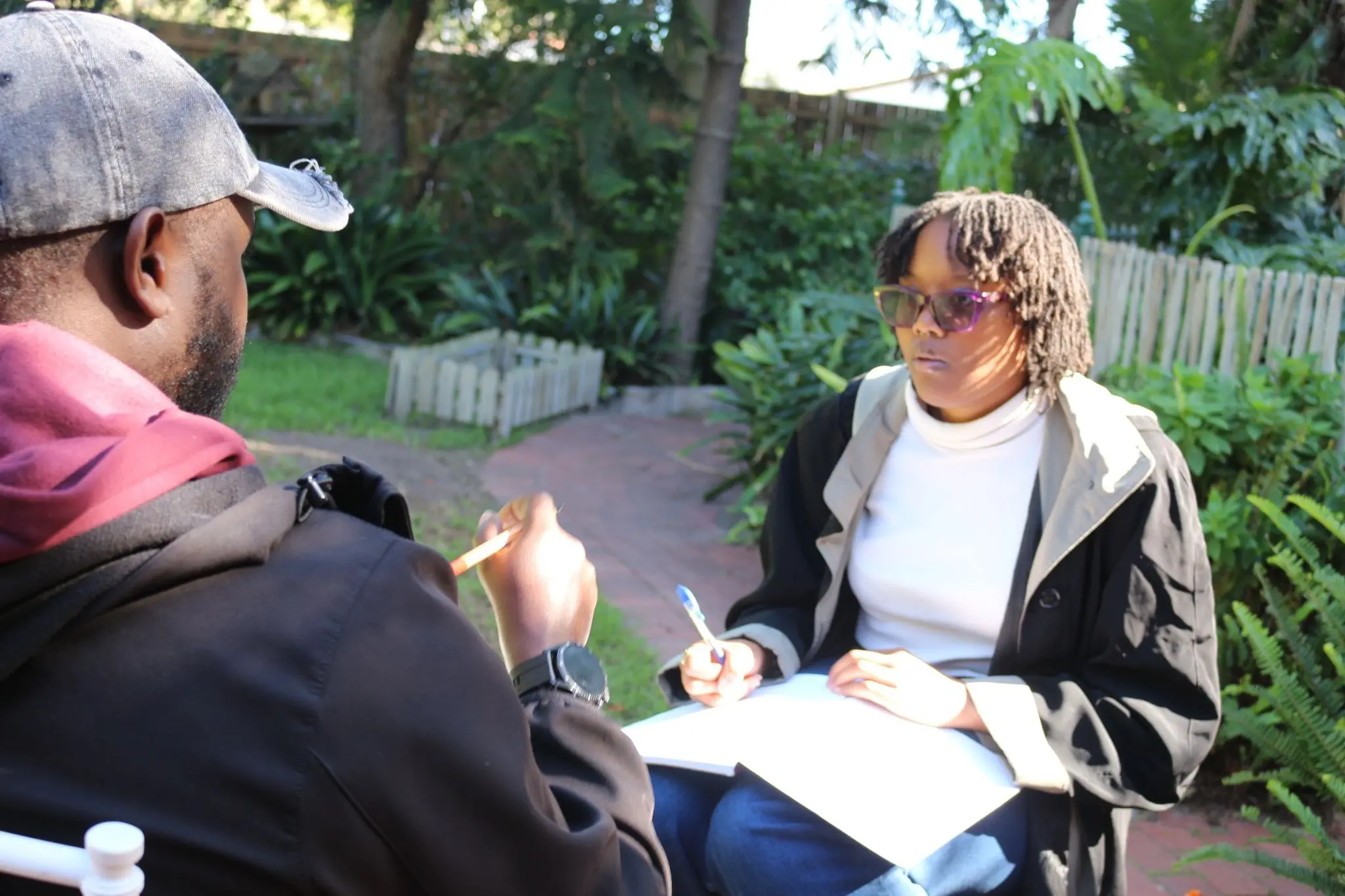
Day Two: Making Research Visible
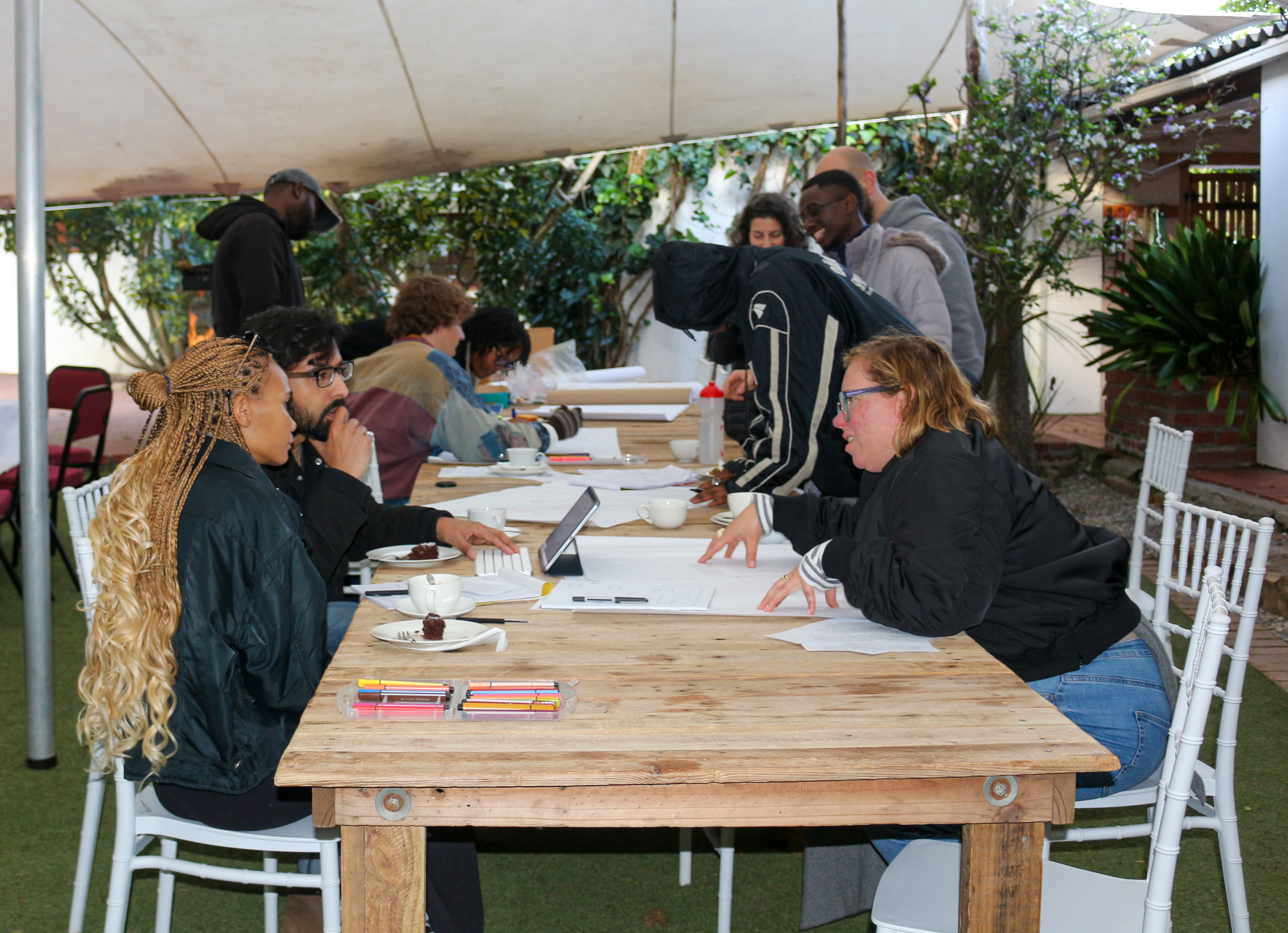
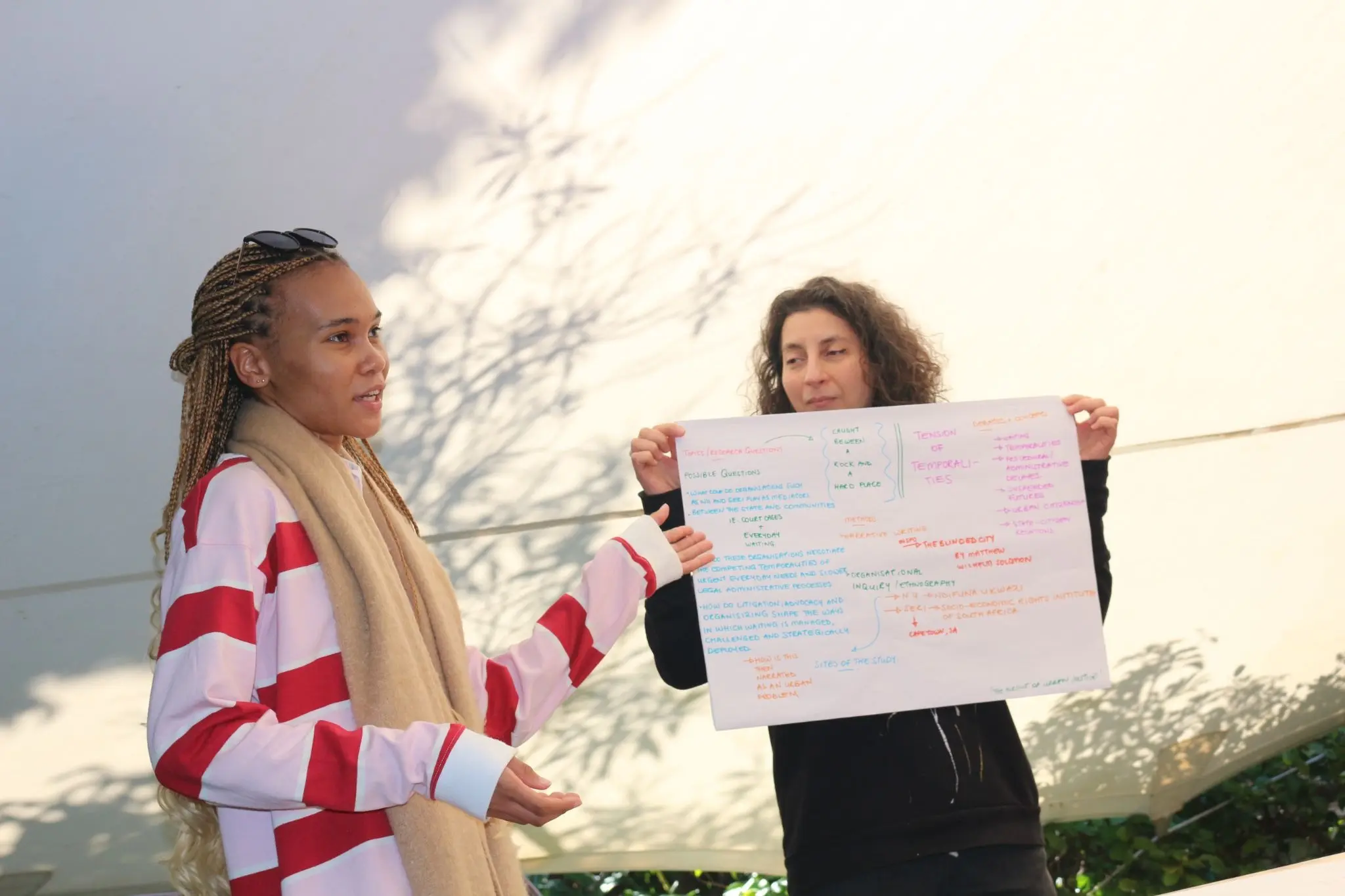
One of the central exercises of day two involved mapping our fields of study and situating ourselves within our emerging projects. While we are accustomed to using our notebooks for brainstorming, this hands-on process had us mapping our ideas onto large sheets of paper. Seeing our ideas laid out in front of us changed the way we understood them. The concepts, questions, contexts and literature we had been discussing since February began to connect. Some relationships became clearer, while others raised new questions. The exercise allowed us to apply what we had learned on day one and, in the process, see our individual projects beginning to come to life.
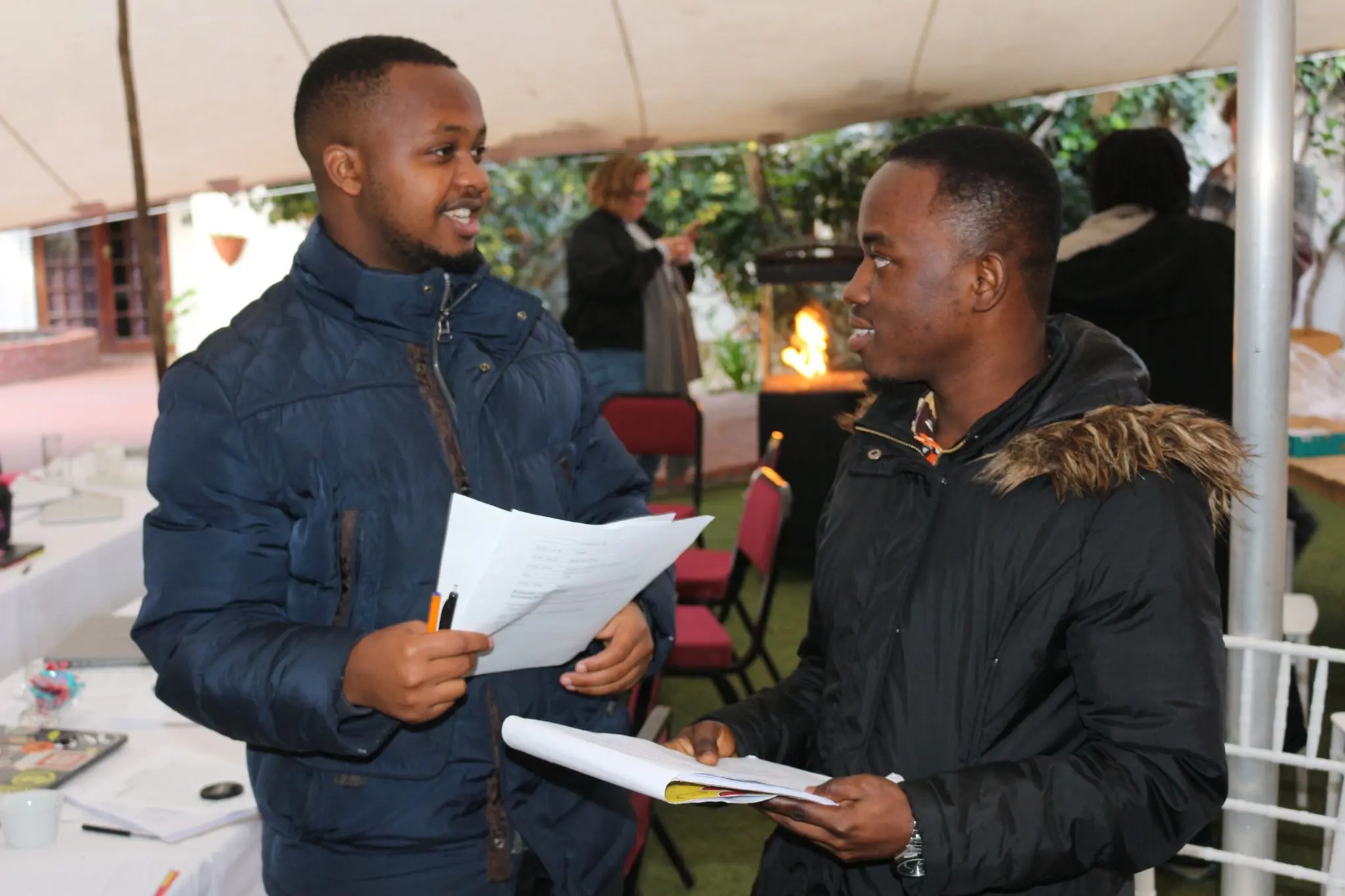
We then moved into elevator pitches, presenting our ideas in concise form and receiving feedback from the facilitators. These conversations became opportunities to go deeper into our projects, interrogate our assumptions and think about what we were really trying to understand. There was something valuable about having to explain an emerging thesis idea to someone else. What might make sense in your own head can suddenly become less clear when you have to articulate it aloud. The questions that followed often helped reveal what needed further thinking.
One of the lighter and perhaps more memorable exercises came later in the day, when Laura challenged us to think about naming our projects. What initially sounded like a straightforward task quickly became an exercise in thinking about what our research was really about. Some titles were funny, some were poetic, some were unexpectedly profound, and others changed several times as we worked through what we wanted our projects to communicate.
In a way, the exercise captured much of what the retreat was about: learning to sit with an idea long enough for it to become clearer.
Day Three: Bringing the Pieces Together
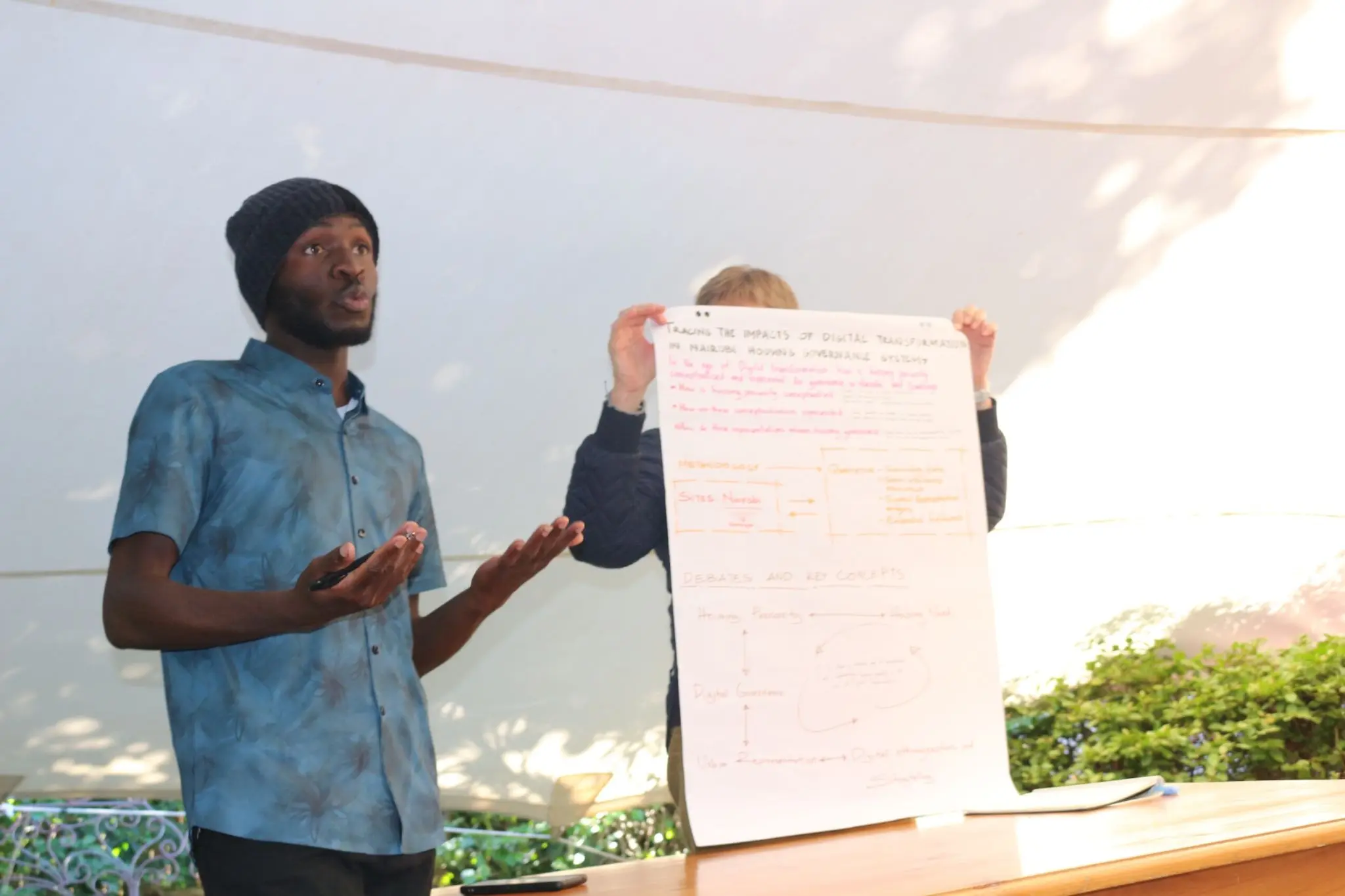
On day three, the initial excitement and uncertainty of arriving had given way to a stronger sense of where our projects might be heading. There was still plenty to work through, but the ideas that had felt broad and uncertain at the beginning of the retreat were beginning to take shape. We returned to our posters, revisited our questions and worked through the feedback we had received over the previous two days. We adjusted, reworked and clarified our ideas before presenting our projects to the wider group.
These final presentations offered another opportunity for feedback, this time from the cohort as a whole as well as the facilitators. Listening to everyone else’s projects was just as valuable as presenting our own. Across the cohort, research interests ranged widely. Questions emerged from different cities, countries and experiences, from Malawi and Kenya to Cape Town and beyond. Students were thinking about occupations, memory, gentrification, informal economies, water scarcity, digital futures, diasporic identity and the many ways that cities are lived, shaped and transformed.
The diversity of these ideas was one of the most exciting aspects of the retreat. While our research interests and contexts differed, bringing them together created opportunities to challenge assumptions, make connections and think comparatively about urban questions from the South.
Its More Than a Writing Retreat!
By the end of three days, we had not necessarily answered every question, and perhaps that was never the point. Instead, we left with better questions. The retreat created a space where ideas could be tested without needing to be finished, where uncertainty could be shared, and where feedback could help turn an initial interest into something more focused and researchable.
It also reminded us that research is rarely a solitary process. The conversations between students, facilitators and peers were central to the development of our ideas. Sometimes it was a carefully considered question that shifted our thinking; sometimes it was a new connection between two ideas; and sometimes it was simply hearing someone else articulate a concern that we had been quietly carrying ourselves.
There was also time to connect beyond the research itself, to build relationships within the cohort, share experiences and begin the semester with a stronger sense of community. The three days in Noordhoek gave us the time and space to slow down, think carefully and begin putting shape to the questions that will carry us through the months ahead.
We arrived with ideas, expectations and uncertainties and also celebrated Omars birthday! Lastly, we left with posters covered in notes, questions that had become sharper, research ideas that had begun to take shape, and a clearer sense of what might come next.