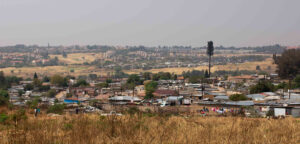
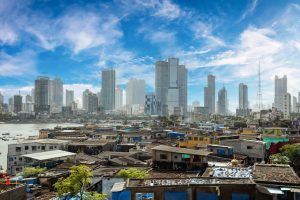
The intersection of rapid peripheral urbanisation, profound climate impacts, and sharply growing inequalities has placed our existing conceptual frameworks and approaches in disarray. While we have a rich body of research examining each of these domains independently, we lack two vital understandings. First, how do we make sense of the intersection between these processes, particularly at the rapidly growing urban periphery? Second, what does understanding this intersection mean for working towards ‘the good city’?
Peripheral expansion has emerged as a dominant mode of urbanization today, reshaping urban lives, economies, socialities, and ecologies. We identify four key forms of peripheralisation:
- one, as a result of deliberate intervention by state or private actors including corridors, magnet cities, new towns, or programmes of massive suburbanization;
- two, off-shoot growth from larger urban centres which might include expansionary real estate speculation on the urban edge;
- three, the formation of peripheries through often gradual settlement of and auto construction by new and typically lower-income migrants, and the diversity of activities that emerge in unplanned and underserved areas such as urban villages;
- four, the marginalization and lack of research on certain types of urban residents who exist at urban peripheries (Keil, 2017; Brenner and Schmid, 2011; Guney et al, 2019; Caldeira, 2017; Holston, 2009; Holston and Caldeira, 2008; Pati, 2022; Tucker and Hassan 2021; Tucker 2023).
This seminar series ‘Intersections on the periphery: the good city in a time of crisis’ consists of a series of workshops at the University of Cape Town and the Indian Institute for Human Settlements, Bangalore. It is curated by Shriya Anand, Indian Institute for Human Settlements (India), Andrew Tucker, African Centre for Cities, University of Cape Town (South Africa), and Colin McFarlane, Durham University (United Kingdom), and is funded by the Urban Studies Foundation.
The first virtual workshop in Cape Town focused on different ways of knowing or understanding peripheral urbanisation. The workshop included paper presentations by researchers across geographies and themes that unpacked the role of planning and regulation, the relationship of infrastructure and peripheral urbanisation, and reflections on the good city.
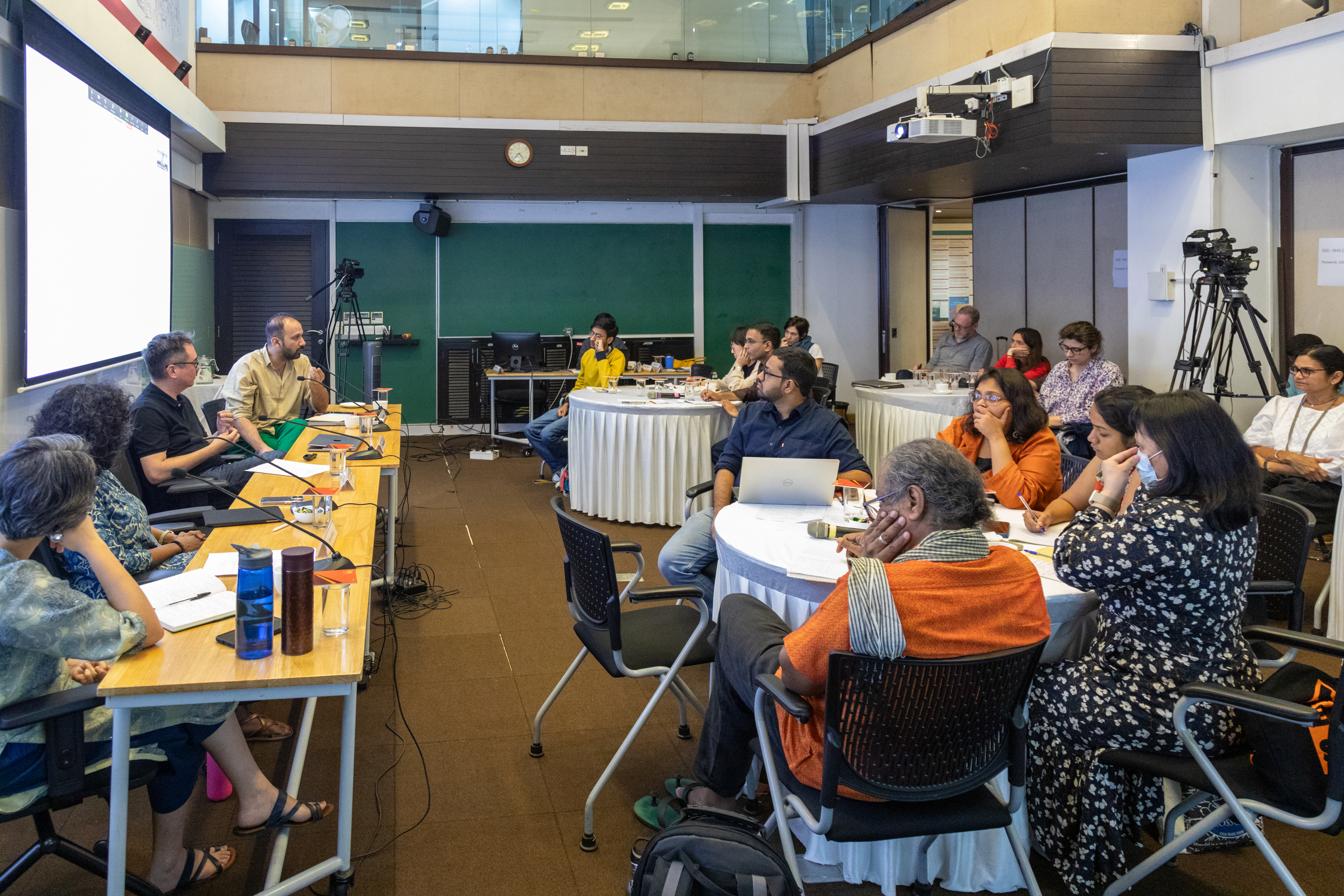
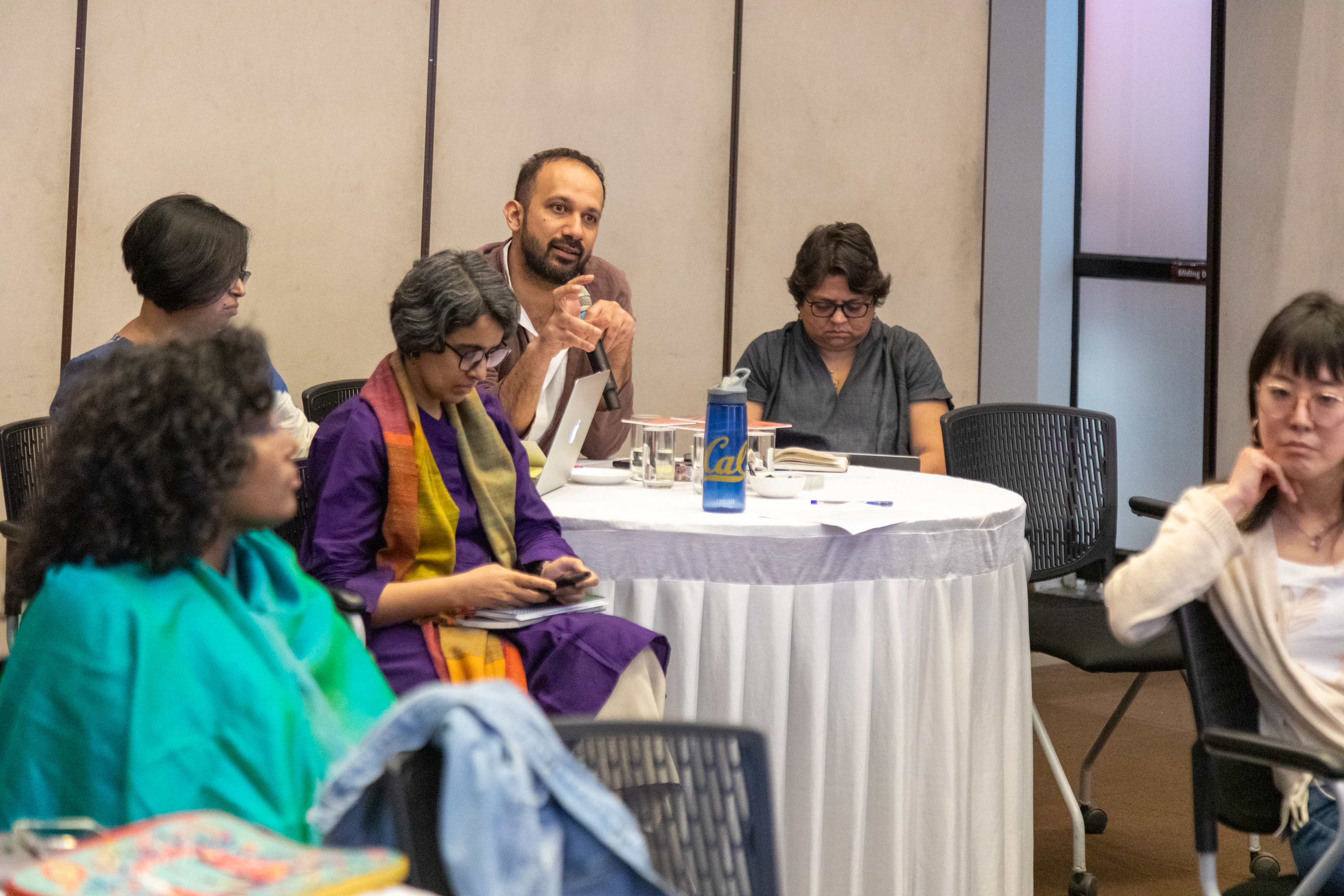
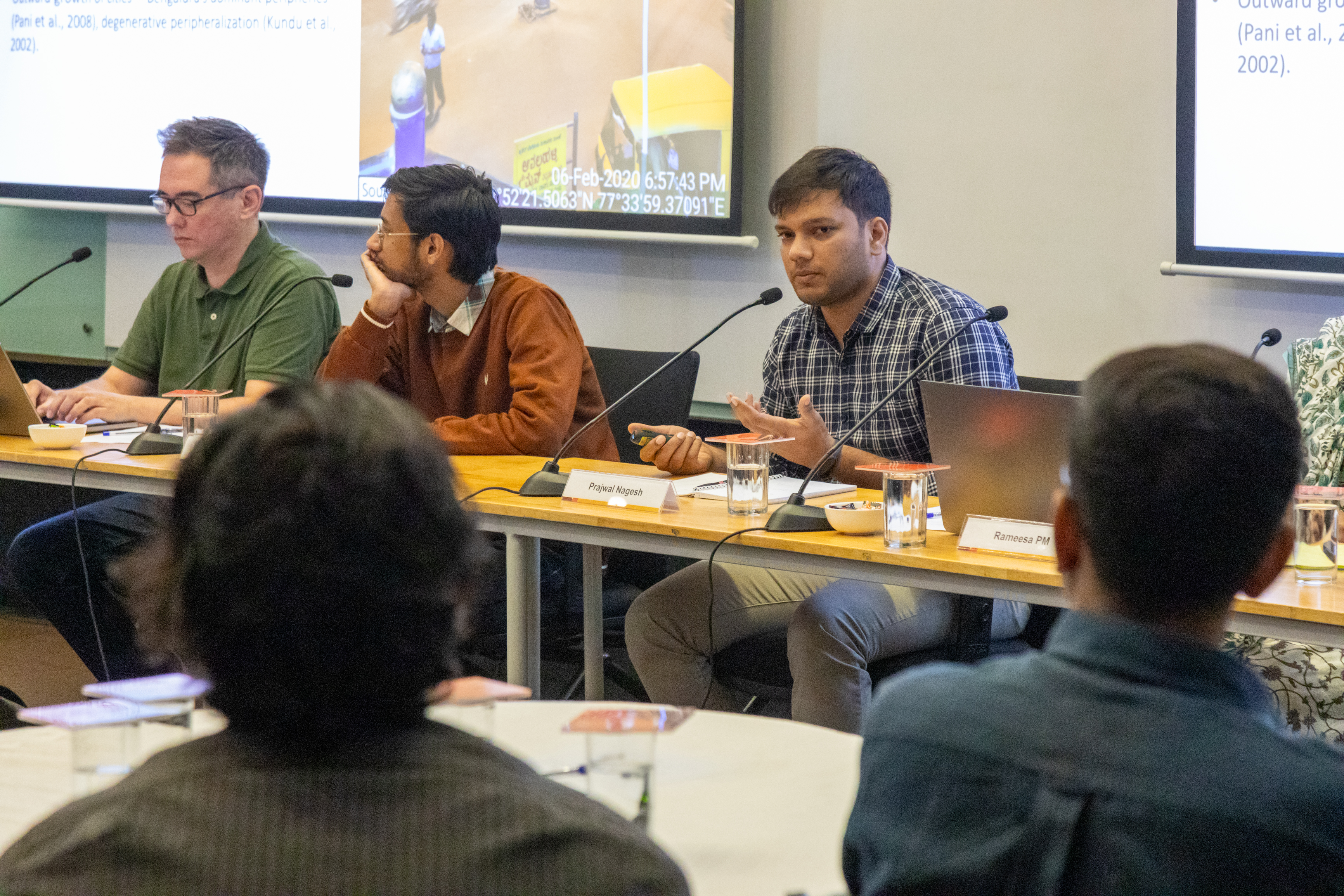
The second workshop in Bangalore (15-16 January 2024), deepened the theoretical and conceptual work initiated in Cape Town, to think about ways of linking peripheral urbanisation, climate change, and inequalities, and what these mean for our ideas about the ‘good city’. This workshop offered a platform for a series of conversations that enabled participants to ‘step back’ and reflect, in an open-ended, dialogic way, to make sense of this intersection between peripheral urbanisation, climate change, and inequality, and what we can do about it. The workshop included a wide set of stakeholders and perspectives on the periphery, as well as scholars whose work lies at the intersection of at least two of the above three trends to think about what these mean for our ideas about the ‘good city’.
This seminar series offered participants a way to create a series of open-ended conversations that enabled them to ‘step back’ and reflect, in an open-ended, dialogic way, to make sense of this intersection and what do about it. This book of abstracts is an output from some of the participants in the seminar series.